Commercial infrastructure projects demand materials that offer exceptional strength, durability, and long-term value. Whether it’s airports, metro stations, hospitals, shopping malls, commercial buildings, or industrial facilities, choosing the right material is critical to ensuring structural performance and minimizing maintenance costs.
One of the most common comparisons in construction is stainless steel vs mild steel. While both materials have their advantages, the right choice depends on factors such as corrosion resistance, lifecycle cost, aesthetics, and project requirements.
The right choice of material also plays an important role in developing reliable and long-lasting infrastructure solutions for modern commercial projects. In this guide, we’ll compare stainless steel vs mild steel to help architects, developers, contractors, and infrastructure consultants make informed decisions.
What is Stainless Steel?
Stainless steel is an iron-based alloy containing at least 10.5% chromium, which creates a protective layer that prevents rust and corrosion. It is known for its durability, strength, hygienic properties, and premium appearance.
In commercial infrastructure, stainless steel is widely used for:
- Architectural façades
- Railings and balustrades
- Elevators and escalators
- Structural components
- Roofing and cladding
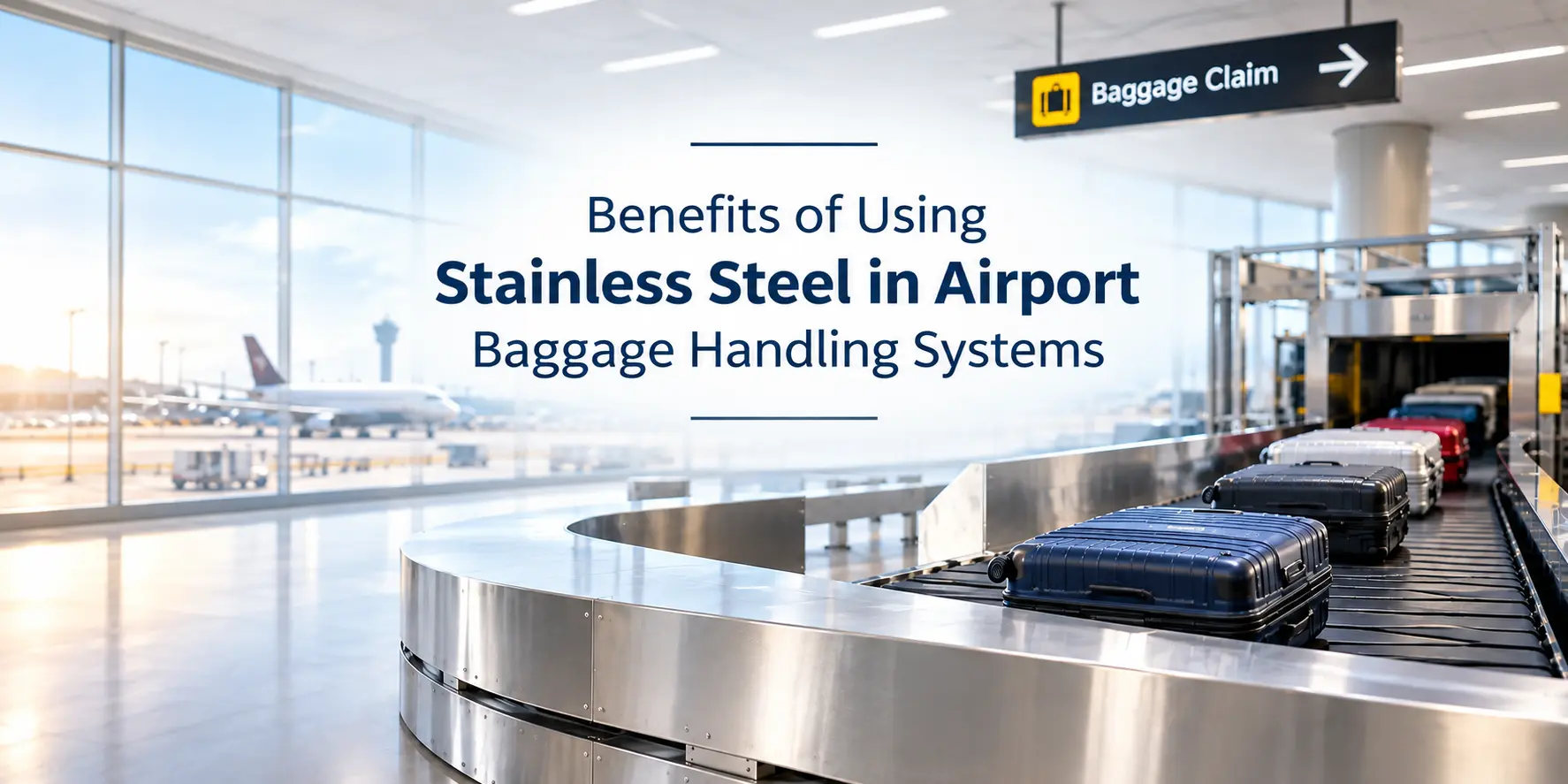
- Airports and metro stations
Its ability to withstand harsh environmental conditions makes it an ideal material for long-lasting infrastructure.
What is Mild Steel?
Mild steel, also known as low-carbon steel, is valued for its affordability and ease of fabrication. It is commonly used in structural frameworks, machinery, and general engineering applications.
However, unlike stainless steel, mild steel is prone to corrosion and requires protective coatings or regular painting to prevent rust. This makes it less suitable for projects exposed to moisture, pollution, or demanding environmental conditions.
Stainless Steel vs Mild Steel: Key Differences Explained
Stainless steel and mild steel differ significantly in terms of durability, maintenance, corrosion resistance, and long-term value. The table below highlights the key differences to help you choose the right material for different applications.
| Feature | Stainless Steel | Mild Steel |
| Corrosion Resistance | Excellent | Requires protective coating |
| Durability | Excellent | Moderate |
| Maintenance | Low | High |
| Appearance | Premium finish | Requires painting |
| Lifecycle Cost | Lower over time | Higher due to maintenance |
| Sustainability | 100% recyclable | Recyclable |
Although mild steel has a lower upfront cost, stainless steel offers greater value over the life of a commercial infrastructure project.
What Matters Most When Choosing Steel for Commercial Infrastructure Projects
Choosing the right steel for a commercial infrastructure project involves more than comparing initial costs. Factors such as durability, structural performance, maintenance needs, and resistance to harsh conditions can significantly affect a project’s long-term value.
1. Corrosion Resistance
Commercial infrastructure is constantly exposed to weather, humidity, pollution, and chemicals. Stainless steel naturally resists corrosion because of its chromium-rich surface, while mild steel can rust if its protective coating is damaged.
For airports, railway stations, hospitals, and coastal developments, stainless steel provides greater reliability and lower maintenance.
2. Strength and Structural Performance
Both materials offer good structural strength, but stainless steel provides higher tensile strength, better impact resistance, and improved performance in challenging environments. Its strength makes it suitable for projects that demand durability and long-term structural integrity.
3. Durability and Service Life
Infrastructure is designed to last for decades. Stainless steel can deliver a service life of more than 50 years with minimal maintenance, whereas mild steel often requires periodic repairs and protective treatments.
4. Maintenance and Lifecycle Costs
While mild steel may seem economical initially, ongoing costs for painting, rust treatment, and repairs can significantly increase the total cost of ownership. Stainless steel requires minimal maintenance, making it a more cost-effective choice over the long term.
5. Aesthetic Appeal
Modern commercial buildings require materials that combine performance with design. Stainless steel offers a sleek, contemporary appearance that complements premium architectural projects. It retains its finish for years without fading or peeling, making it ideal for visible applications such as façades, railings, elevators, and decorative elements.
6. Sustainability
As sustainable construction becomes a priority, stainless steel stands out as an environmentally responsible material. It is 100% recyclable, highly durable, and contributes to reduced material waste over the life of a building.
The Hidden Cost of Choosing Mild Steel for Long-Term Infrastructure
Although mild steel reduces initial construction costs, it often results in higher expenses over time due to:
- Frequent repainting
- Corrosion repairs
- Increased maintenance
- Component replacement
- Operational downtime
Considering the complete lifecycle of a commercial infrastructure project, stainless steel often delivers a better return on investment.
Why Stainless Steel Is the Preferred Choice for Modern Infrastructure
Today, developers and architects increasingly choose stainless steel because it offers:
- Outstanding corrosion resistance
- Long service life
- Low maintenance
- Modern aesthetics
- Sustainability
- Lower lifecycle costs
These advantages make stainless steel the preferred material for commercial buildings, public infrastructure, transportation hubs, healthcare facilities, hospitality projects, and smart city developments.
Why Choose Jindal Lifestyle Limited?
At Jindal Lifestyle Limited, we understand that every commercial infrastructure project requires materials that combine performance, reliability, and design excellence.
As one of India’s trusted stainless steel solution providers, Jindal Lifestyle Limited offers premium stainless steel products that are engineered for durability, precision, and long-term performance. Our solutions are widely used across commercial buildings, public infrastructure, transportation, healthcare, hospitality, and architectural applications.
With advanced manufacturing capabilities, stringent quality standards, and a commitment to innovation, we help architects, developers, contractors, and fabricators create infrastructure that stands the test of time.
When you choose Jindal Lifestyle Limited, you’re investing in stainless steel solutions that deliver exceptional quality, lasting value, and contemporary aesthetics for every commercial project.
Also, read: Why Architects and Urban Planners Are Choosing Stainless Steel for Modern Cities
Conclusion
Choosing between stainless steel vs mild steel is about more than initial cost; it’s about long-term performance, reliability, and value. While mild steel remains suitable for certain applications, stainless steel offers clear advantages for commercial infrastructure projects that demand durability, corrosion resistance, minimal maintenance, and premium aesthetics.
For businesses looking to build future-ready infrastructure, partnering with Jindal Lifestyle Limited ensures access to high-quality stainless steel solutions backed by innovation, manufacturing excellence, and a commitment to delivering lasting value.
FAQs
1. Which is better for commercial infrastructure projects: stainless steel or mild steel?
Stainless steel is generally the better choice because it offers superior corrosion resistance, durability, aesthetics, and lower lifecycle costs.
2. Which steel lasts longer?
Stainless steel typically lasts much longer than mild steel, often exceeding 50 years with minimal maintenance.
3. Is stainless steel worth the higher initial cost?
Yes. Its low maintenance requirements and longer lifespan usually result in lower overall lifecycle costs.
4. Which material requires less maintenance?
Stainless steel requires significantly less maintenance than mild steel, making it ideal for commercial infrastructure.
5. What should businesses consider before choosing steel?
Businesses should evaluate corrosion resistance, durability, maintenance requirements, lifecycle costs, environmental conditions, aesthetics, and the expertise of the manufacturing partner before selecting the right material.